The Division Resurgence

Leading improvements to an established AAA interface late in production: strengthening consistency and readability without starting over, while preserving and improving an experience tailored to each platform.

Role
Lead UX/UI Designer
Organisation
Ubisoft
Period
Since May 2025
Team
5 UX and UI Designers
Platforms
Mobile (iOS, Android), PC (Ubisoft Connect, Steam)
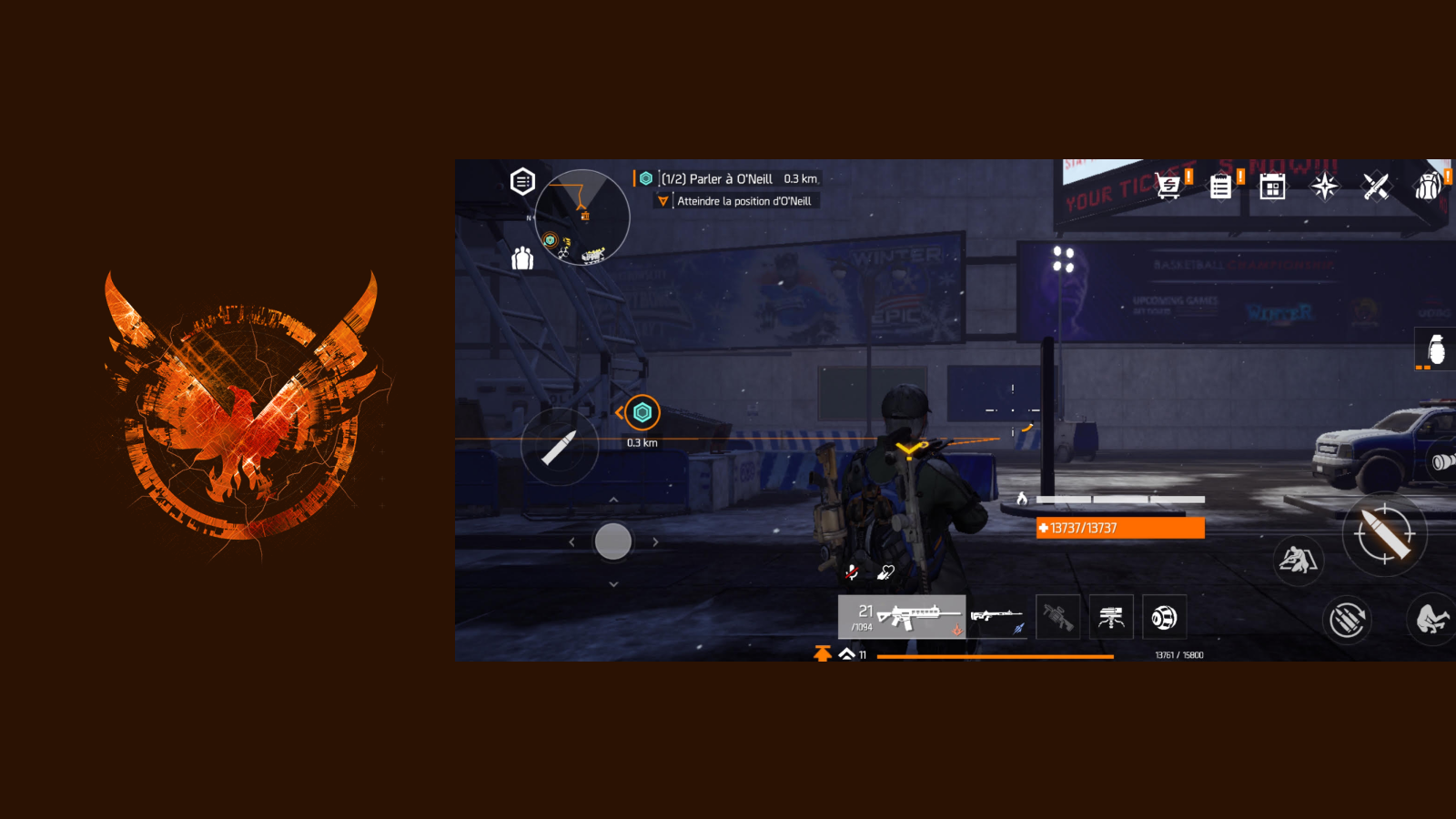
The Division Resurgence logo and a screenshot of the game on mobile

I joined The Division Resurgence in May 2025, when the project was already well advanced. The major architectural decisions and most of the systems were in place. My role was to improve the experience by building on what was already there, rather than redefining the product.

With a five-person UX/UI team on a production of more than 100 people, I focused our work on interface consistency and making screens easier to understand.

This phase called for constant trade-offs between user benefit and development cost, with the risk of regression ever-present.

How can multiple designers rapidly improve dozens of screens when no shared design reference exists?

One of the first findings was the absence of a formalised, shared design system. Screens had evolved over the course of production, with multiple variants and undocumented conventions. That made every fix slower and increased the risk of creating new inconsistencies.

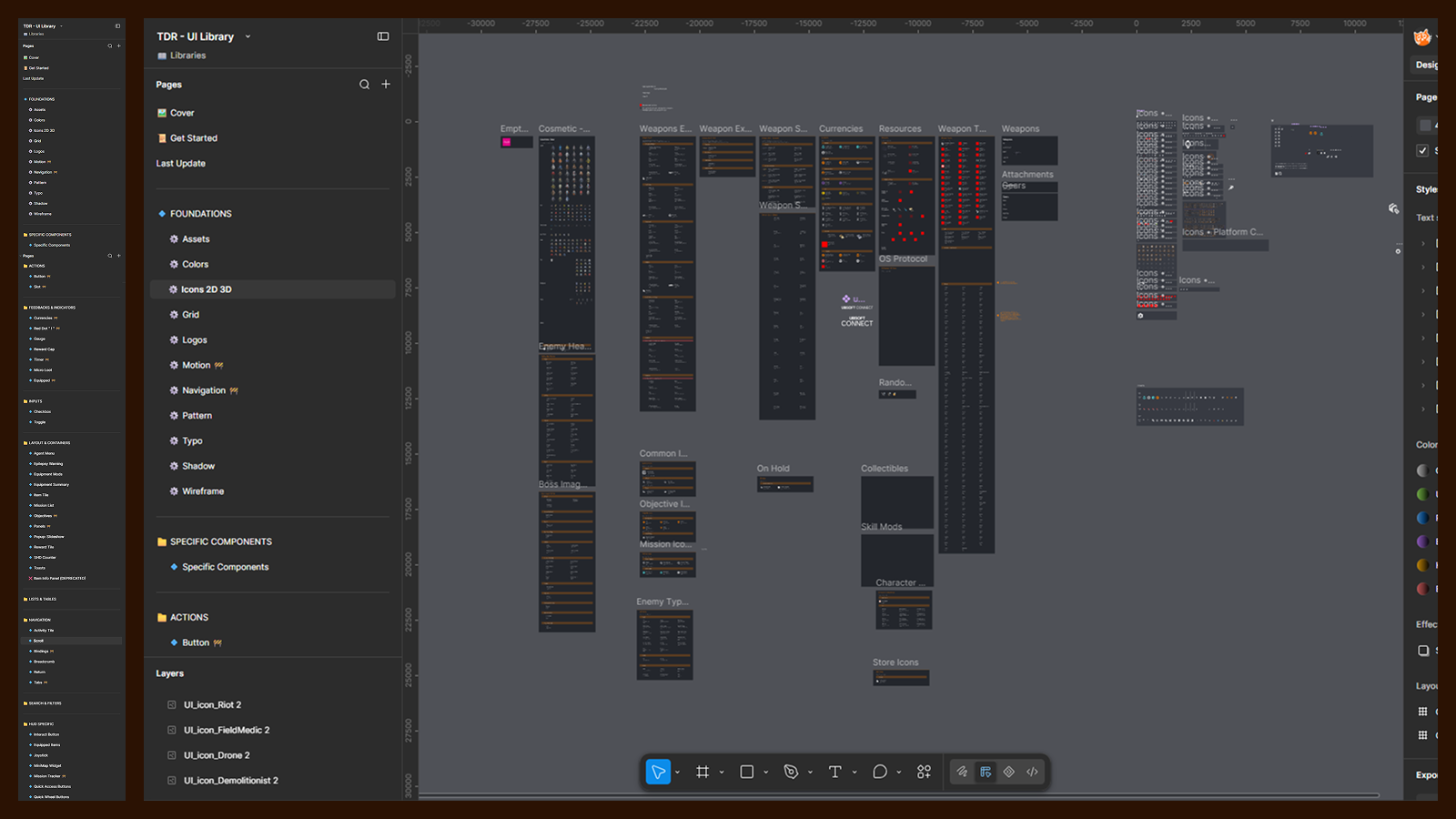
Screenshot of The Division Resurgence design system in Figma

Build only what we needed

Decision
Build a design system scoped to the components, grids and states needed for ongoing improvements.
Why
Rebuilding a complete design system would have taken time away from shipping. We favoured the smallest system capable of aligning the team immediately, accepting that some grey areas would remain and documenting the reality of the existing product first.

Share the architecture, adapt the interaction

Decision
Maintain a shared information architecture across mobile and PC, while adapting sizing and navigation to each platform.
Why
Two entirely separate experiences would have been too costly to produce and maintain. Touch, mouse and controller interactions come with different constraints: we aimed for overall consistency across platforms, accepting that some solutions would not be optimal for each platform in isolation.

Prioritise usability over polish

Decision
Concentrate effort on the most frequently used screens and the highest-impact problems.
Why
Late in production, every change carries a validation cost and a risk of regression. Fixes with limited user benefit were therefore set aside, even when that meant living with some visual imperfections.
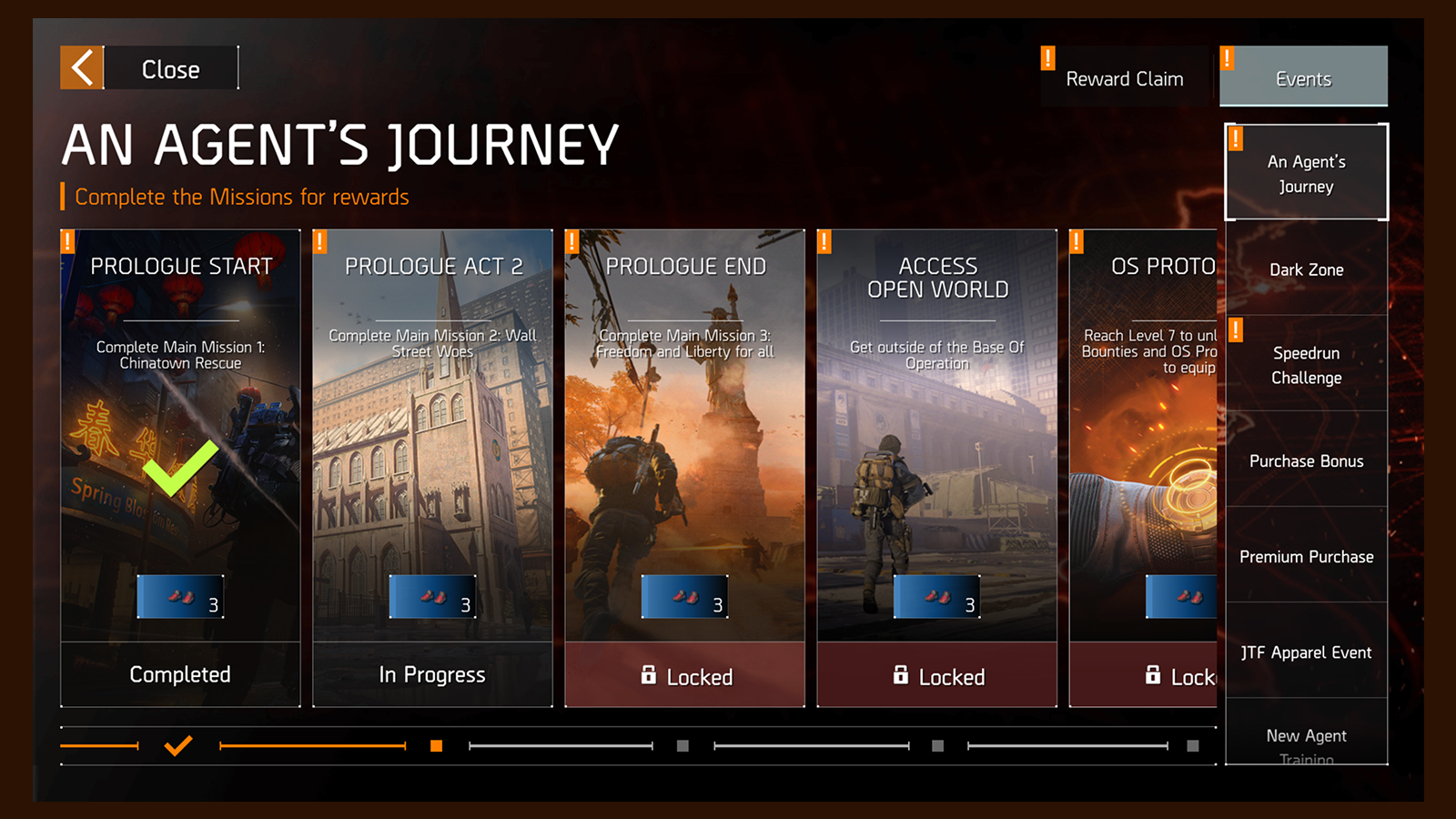
Mockup of a screen from The Division Resurgence

The game launched worldwide on mobile on 31 March 2026, then on Steam on 5 August 2026. The UX/UI improvements initiated after I joined were included in these releases.

My main contribution has been to bring coherence to what already existed: screens prioritised and reworked based on user impact, and a more structured approach to adapting the experience across mobile and PC.

1 shared reference to harmonise the project's UX/UI
2 platforms, mobile and PC, with different interaction models